
Introduction
Future-proof education can be defined as an educational approach designed to prepare students for uncertain, rapidly evolving social, technological, and economic conditions. In Thailand, this concept increasingly aligns with the International Baccalaureate (IB) system, which emphasises critical thinking, adaptability, and global competence rather than rote memorisation.
According to the International Baccalaureate Organisation (IBO), IB programmes operate in over 160 countries with more than 6,000 schools worldwide, reflecting growing demand for globally transferable education models. This article explores what future-proof education means, how IB functions in Thailand, the key skills it develops, and why it is positioned as a strategic response to rapid global change.
What Is Future-Proof Education?
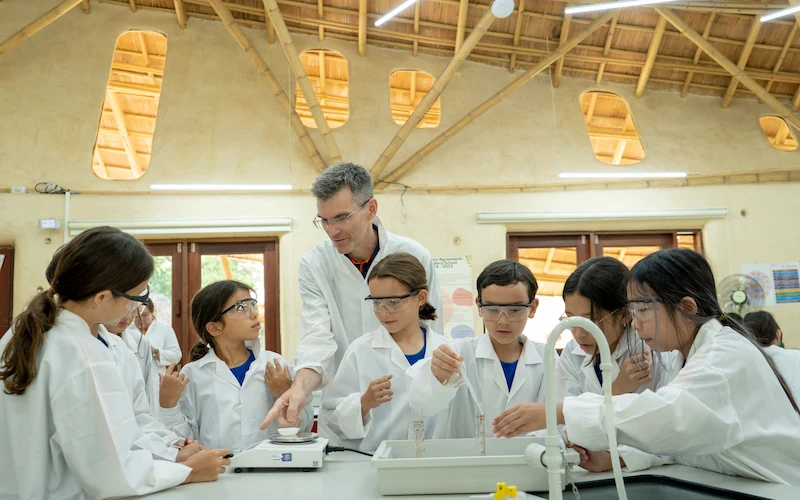
Future-proof education refers to a learning model that equips students with transferable skills, adaptive thinking, and lifelong learning capacity to remain relevant in unpredictable future job markets.
Unlike traditional systems that prioritise memorisation, future-proof education focuses on:
- Analytical reasoning
- Problem-solving
- Collaboration
- Digital and global literacy
The World Economic Forum identifies critical thinking, creativity, and complex problem-solving as top workforce skills for the next decade. Education systems that fail to integrate these competencies risk producing graduates who struggle to adapt.
What Is the International Baccalaureate (IB)?
The International Baccalaureate is a globally recognised education framework designed to develop knowledgeable, inquiring, and caring young people.
It consists of four structured programmes:
| Programme | Age Range | Core Focus |
| PYP (Primary Years Programme) | 3–12 | Inquiry-based learning |
| MYP (Middle Years Programme) | 11–16 | Concept-driven curriculum |
| DP (Diploma Programme) | 16–19 | University preparation |
| CP (Career-related Programme) | 16–19 | Academic + vocational integration |
The IB framework is built around:
- Inquiry-based pedagogy
- Interdisciplinary learning
- Global contexts
- Skills development through Approaches to Learning (ATL)
Thailand’s Education Landscape: Why Change Is Needed
Thailand’s traditional education system remains heavily content-based and examination-driven, which creates gaps in analytical and problem-solving capacity.
UNICEF Thailand reports that only about 32% of Thai students reach minimum proficiency in mathematics, while OECD PISA results show Thai students score significantly below the global average in problem-solving and applied reasoning.
Key Challenges in the Thai System:
- Overemphasis on rote learning
- Limited inquiry-based instruction
- Insufficient global exposure
- Weak alignment with emerging career pathways
While national curricula focus on standardised testing, global education models like IB emphasise adaptability and conceptual understanding.
This mismatch creates an urgent need for alternative educational pathways capable of supporting long-term competitiveness.
How IB Equips Students for a Rapidly Changing World
IB equips students for future uncertainty by embedding transferable cognitive and social skills into every subject area.
The system’s design ensures students do not simply learn facts but learn how to think.
1. Critical Thinking and Inquiry Skills
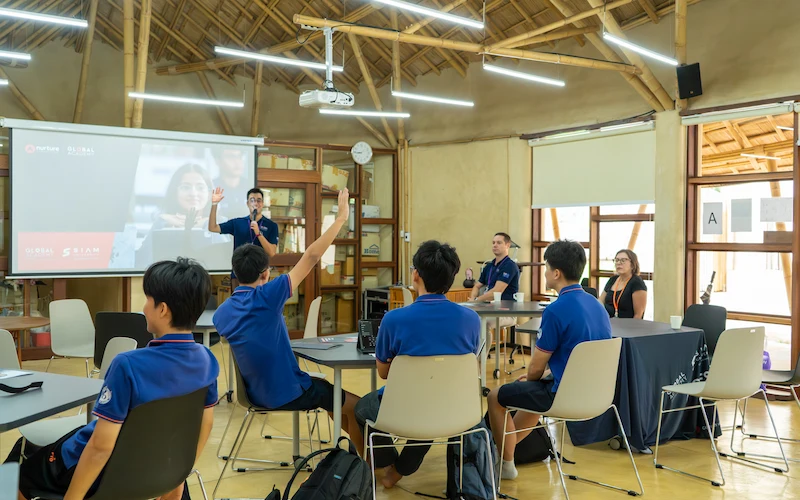
IB programmes develop analytical reasoning by requiring students to question, evaluate, and synthesise information.
For example:
- Students explore open-ended questions rather than fixed answers.
- Assessments reward reasoning processes rather than recall.
The Theory of Knowledge (TOK) course in IB DP trains students to evaluate how knowledge is constructed across disciplines—an essential skill in an era of misinformation and AI-generated content.
2. Research Literacy and Independent Learning
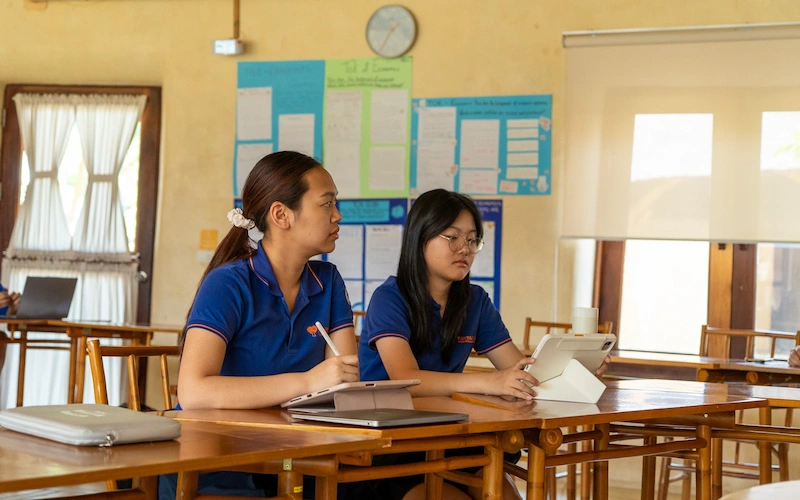
IB strengthens research capability through structured academic investigation.
Key research components include:
- Extended Essay (4,000-word research paper)
- Internal Assessments
- Inquiry projects
These tasks develop:
- Source evaluation
- Academic writing
- Data interpretation
According to IBO outcomes research, IB graduates demonstrate higher preparedness for university-level research compared to peers from traditional curricula.
3. Global Citizenship and Intercultural Awareness
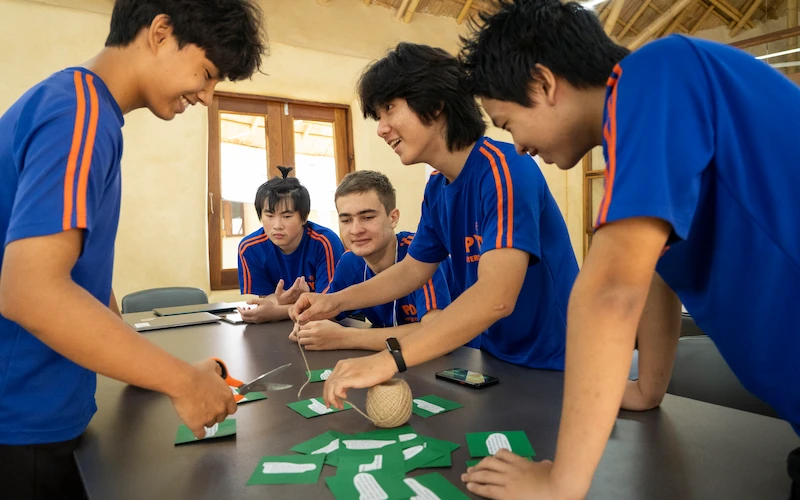
IB builds global competence by embedding international perspectives into all subjects.
Students:
- Study world issues across geography, economics, and science
- Engage in service learning
- Participate in multicultural classrooms
This prepares Thai students for:
- International universities
- Cross-border careers
- Global collaboration
In contrast, localised curricula may limit students’ exposure to global norms and problem-solving contexts.
Approaches to Learning (ATL): The Skill Engine of IB
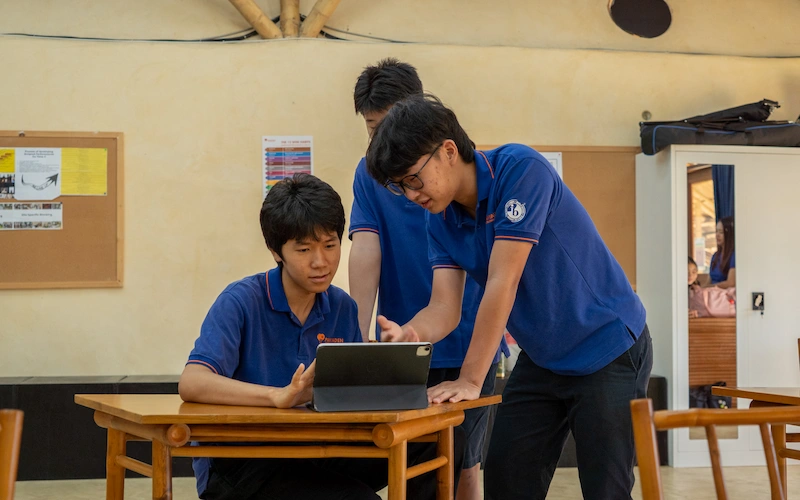
Approaches to Learning are the skill categories through which IB operationalises future-readiness.
ATL focuses on five domains:
• Thinking skills: critical analysis, independent reasoning, and creative problem-solving
• Research skills: structured inquiry, information evaluation, and academic integrity
• Communication skills: clear oral expression, effective writing, and responsible digital communication
• Social skills: teamwork, leadership development, and conflict resolution
• Self-management: time organisation, emotional awareness, and personal responsibility
These skills function like a “learning operating system,” enabling students to adapt regardless of discipline or profession.
Macro Context: Why IB Represents a Future-Proof Model
The macro value of IB lies in its systemic alignment with global workforce demands.
Global labor market trends show:
- Automation replacing repetitive tasks
- Knowledge work replacing manual labor
- Creativity outperforming memorisation
IB aligns with these changes by:
- Promoting interdisciplinary thinking
- Teaching conceptual transfer
- Rewarding process over product
While traditional curricula emphasise syllabus completion, IB emphasises competence development.
Case Examples: IB in Thailand
IB implementation in Thailand illustrates how global pedagogy adapts to local contexts.
Examples include:
- International School Bangkok (ISB) achieving above-world-average IB scores
- Bangkok Patana offering both DP and CP pathways
- Regional IB expansion beyond Bangkok
These institutions demonstrate:
- High university acceptance rates
- Multilingual fluency
- Global recognition
Benefits of IB-Based Future-Proof Education in Thailand
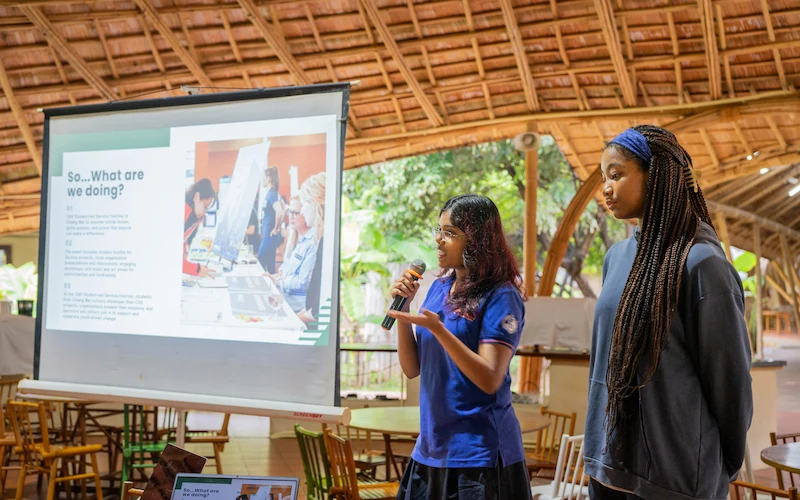
The benefits of IB-based future-proof education include stronger academic readiness, improved cognitive flexibility, and greater global mobility.
According to outcomes research by the International Baccalaureate Organisation, IB students are more likely to:
- Perform well in university-level coursework
- Persist in higher education
- Demonstrate strong research and writing skills
Key Benefits for Thai Students
• University preparedness: IB graduates typically achieve higher first-year university GPAs than non-IB peers.
• Language proficiency: Multilingual learning environments strengthen communication across cultures.
• Career adaptability: Transferable skills allow students to move more easily between different industries and career paths.
• Global recognition: IB qualifications are widely accepted by leading universities around the world.
While national curricula primarily prepare students for domestic examinations, IB prepares students for international academic and professional environments.
IB vs Traditional Education Systems in Thailand
IB differs from traditional Thai education systems by prioritising skill development over syllabus completion.
| Feature | Traditional Thai Curriculum | IB Curriculum |
| Teaching Method | Lecture-based | Inquiry-based |
| Assessment | Final exams | Coursework + projects |
| Skills Focus | Memorisation | Critical thinking |
| Global Context | Limited | Integrated |
| Research Training | Minimal | Mandatory |
This distinction explains why IB graduates tend to transition more smoothly into foreign universities and knowledge-based professions.
Micro Context: Challenges and Limitations of IB Education
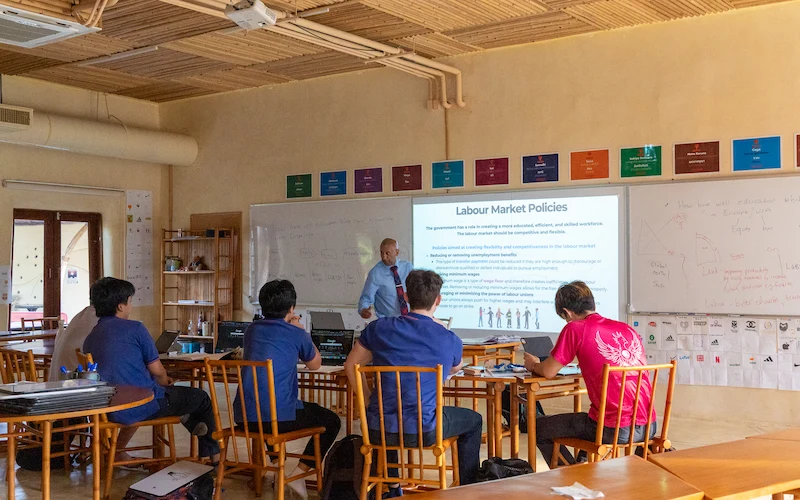
Despite its strengths, IB education presents financial, institutional, and pedagogical challenges.
1. High Cost of Implementation
IB schools require:
- Certified teachers
- Specialised resources
- Smaller class sizes
These factors make IB tuition significantly higher than public education, limiting accessibility.
2. Academic Pressure
IB’s rigorous coursework can:
- Increase student stress
- Require strong time management
- Challenge weaker learners
While IB develops resilience, inadequate support structures may lead to burnout.
3. Teacher Training Demands
Teachers must:
- Master inquiry-based pedagogy
- Redesign assessments
- Continuously retrain
This requires institutional commitment and funding.
Frequently Asked Questions (FAQs)
Is IB suitable for Thai students?
Yes. IB’s inquiry-based model works well for Thai learners when supported by trained teachers and bilingual instruction.
Does IB replace the Thai curriculum?
No. Many schools offer IB alongside national standards or provide it as an alternative educational pathway.
Is IB better than Cambridge or AP?
IB focuses on holistic development and research skills, while Cambridge emphasises subject depth and AP centers on modular exam-based learning.
Does IB guarantee better careers?
No education system can guarantee career success, but IB strengthens adaptability and learning capacity, which are strongly linked to long-term employability.
Conclusion: Is IB a Future-Proof Education Model for Thailand?
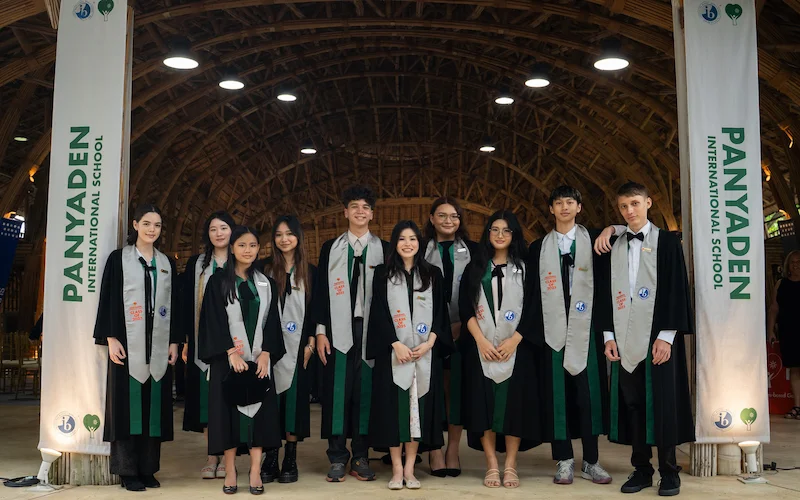
IB equips students in Thailand with the cognitive, social, and global skills required to navigate a rapidly changing world.
By prioritising:
- Inquiry
- Research
- Global awareness
- Transferable skills
IB aligns closely with future workforce requirements shaped by AI, automation, and globalisation.
Actionable Next Steps:
- Parents should assess learning styles and school support structures.
- Schools should invest in teacher training and curriculum alignment.
- Policymakers should explore hybrid national-IB models.
Recommended Reading:
- OECD Education Outlook
- IB Research Programme
- UNICEF Thailand Education Reports
Final Answer to Title
Future-proof education in Thailand is best achieved through systems like IB that emphasise adaptability, critical thinking, and global competence over memorisation and static knowledge.
IB does not simply prepare students for exams—it prepares them for change.
At Panyaden, future-proof education is more than an academic goal—it is a commitment to nurturing well-rounded, compassionate, and adaptable learners. By blending inquiry-based learning, global perspectives, and strong moral values, Panyaden prepares students to think critically, communicate confidently, and respond thoughtfully to a rapidly changing world. This holistic approach ensures that students do not simply acquire knowledge but develop the mindset and skills needed to succeed in both local and international contexts.Recognised as one of the best schools in chiang mai, Panyaden shows how international educational principles can be meaningfully applied within Thailand’s cultural setting. Through a balanced focus on academic excellence, character development, and real-world relevance, Panyaden equips students with the tools to thrive beyond the classroom. For families seeking an education that truly prepares children for the future, Panyaden represents a model of how learning can be both globally aligned and deeply rooted in purpose.