
In an era when education is increasingly expected to prepare young people not only for exams but for life in an interconnected world, service learning has emerged as a powerful bridge between academic knowledge and social responsibility. Within the International Baccalaureate framework, service learning is not an optional add-on or a short-term volunteering requirement. Instead, it is a structured, reflective, and curriculum-connected approach that helps students understand their role as active contributors to society.
In Thailand, where IB World Schools operate within diverse cultural, social, and economic contexts, service learning plays a particularly important role. By engaging directly with local communities, both urban and rural, IB students develop empathy, ethical awareness, and a sense of responsibility grounded in real human relationships. This article explores how service learning in an IB programme builds social responsibility in Thai communities by examining the educational mechanisms behind it, the local context, and the long-term impact on both students and communities.
Understanding Service Learning in the IB Context
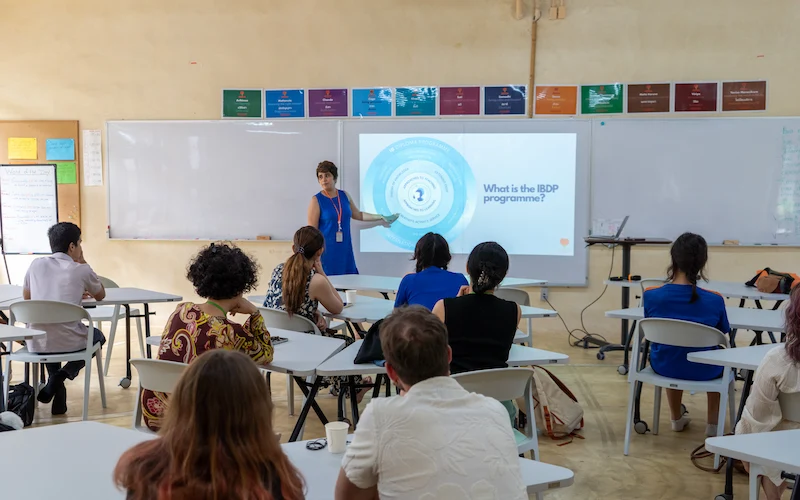
At its core, service learning is a pedagogical approach that integrates meaningful community service with academic learning and structured reflection. Unlike traditional volunteering, which often focuses on hours completed or tasks performed, service learning emphasizes learning outcomes, community partnership, and reflection on impact.
Within the IB framework, service learning is embedded across all programmes:
- In the Primary Years Programme, service emerges naturally through action as students respond to issues discovered through inquiry.
- In the Middle Years Programme, Service as Action requires students to apply learning to real community needs, reinforcing responsibility and agency.
- In the Diploma Programme, Creativity, Activity, Service formalizes service learning as a core requirement of holistic education.
Across all levels, the IB emphasizes a shared process of investigation, preparation, action, reflection, and demonstration. This cycle ensures that service learning is thoughtful, ethical, and appropriate to students’ developmental stages.
Why Social Responsibility Matters in the Thai Context
Thailand’s social landscape is shaped by strong community ties, cultural traditions of mutual support, and ongoing social challenges. Issues such as educational inequality, environmental sustainability, access to healthcare, and rural and urban disparities are part of everyday reality.
For many students in Thai IB schools, particularly those from internationally mobile or relatively privileged backgrounds, these challenges may initially feel distant. Service learning bridges this gap by transforming abstract global issues into local, lived experiences.
Rather than learning about social responsibility as a theoretical concept, students experience it through practice. They listen to community members, collaborate with local organizations, and reflect on their own assumptions and choices. Through this process, students develop what can be described as locally grounded global citizenship.
How Service Learning Builds Social Responsibility
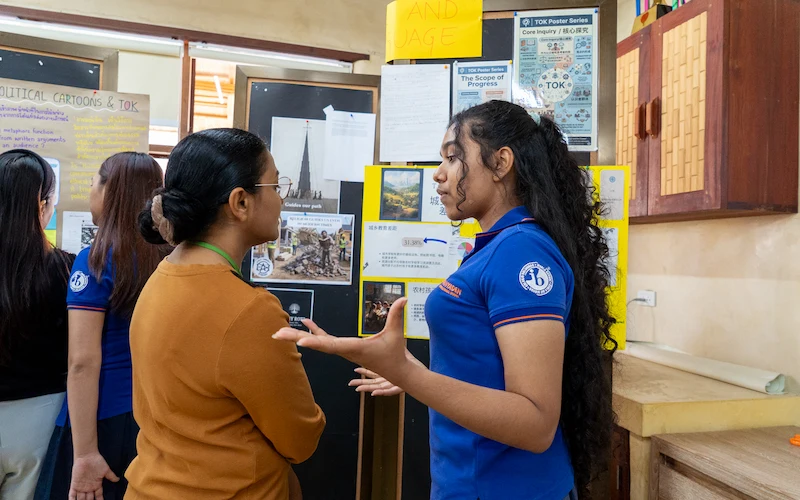
Moving From Awareness to Accountability
Awareness of social issues alone does not guarantee responsible action. Service learning pushes students beyond awareness toward accountability. When students engage directly with Thai communities, whether through environmental projects, educational support, or social initiatives, they see the real consequences of action and inaction.
This experience encourages students to ask not whether a problem exists, but what their role should be in addressing it. Responsibility becomes personal, grounded in real relationships and outcomes.
Learning Through Authentic Community Partnerships
Effective IB service learning is built on partnership rather than charity. Thai communities are not positioned as passive recipients of help, but as collaborators with expertise, insight, and agency.
Students learn to identify genuine needs through dialogue, co-design projects with local partners, and respect cultural norms and local knowledge. In environmental initiatives, for example, students often integrate local ecological understanding and long-term sustainability practices rather than imposing external solutions.
This approach teaches students that social responsibility requires listening, respect, and humility.
Reflection as the Foundation of Ethical Growth
Reflection is central to service learning within the IB. Students are encouraged to reflect before, during, and after their service experiences using journals, discussions, presentations, or creative formats.
Through reflection, students examine questions about impact, ethics, and responsibility. They begin to recognize issues of privilege, power, and cultural difference. In Thailand, this often includes reflection on language, social hierarchy, and community values.
Reflection transforms service into a powerful learning experience and supports long-term ethical development.
Developing Empathy Through Sustained Engagement
Empathy develops through consistent and meaningful relationships. IB service learning prioritizes sustained engagement rather than one-time activities. When students return to the same community partners over time, adapt projects based on feedback, and witness gradual progress, empathy deepens.
Students begin to see social challenges not as isolated problems, but as interconnected systems in which they have a role. This sustained engagement reinforces a lasting sense of social responsibility.
Impact on Thai Communities
Well-designed IB service learning projects in Thailand extend benefits beyond student learning. Community partners often report positive outcomes such as improved educational access, increased environmental awareness, and stronger community networks.
Successful projects are those that respond to locally identified needs, build capacity rather than dependence, and continue beyond a single academic year. When these conditions are met, service learning becomes mutually beneficial for both students and communities.
Challenges and Responsible Practice
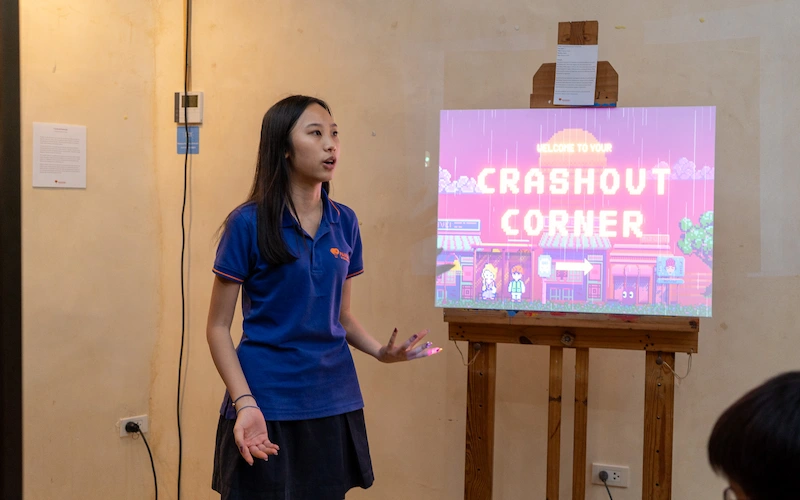
Service learning requires careful planning and ethical awareness. Without guidance, projects risk becoming superficial or culturally insensitive. IB schools in Thailand address these challenges through structured investigation, educator mentorship, and continuous reflection.
Students learn that responsible service is not about quick solutions, but about sustainable engagement and ongoing learning. Recognizing limitations and learning from mistakes is an essential part of social responsibility.
Conclusion: Preparing Responsible Citizens Through IB Education
Service learning within an IB framework demonstrates how education can extend beyond the classroom and into the heart of society. By connecting academic learning with real community needs, students develop empathy, ethical awareness, and a genuine sense of responsibility.
At Panyaden International School, this approach reflects a broader commitment to holistic education and mindful engagement with local communities. As an example of an IB programme in Thailand, the integration of service learning shows how global educational principles can be meaningfully applied within a Thai cultural context.
Through sustained service, thoughtful reflection, and authentic partnerships, IB students are prepared not only for academic success, but for lives of responsible action and positive contribution within Thailand and beyond.