

Inquiry-Based Learning (IBL) in the International Baccalaureate (IB) framework is an educational approach that empowers students to ask meaningful questions, conduct investigations, and reflect deeply to construct understanding. Rooted in constructivist philosophy, it contrasts sharply with traditional rote memorisation by prioritising student curiosity and active meaning-making. IBL is especially relevant in Thailand, where educators are adapting global best practices to nurture critical thinking and 21st-century skills among learners.
In Thailand, research shows that IBL enhances academic performance in areas like mathematics and reading literacy compared to conventional teaching methods. For example, ninth-grade students exposed to structured inquiry outperformed peers in literacy assessments at a statistically significant level.
This article will explore what inquiry-based learning is, how the IB philosophy embeds it across programmes, its implementation in Thai schools, how it builds students’ question-asking skills, evidence of impacts, challenges, and practical strategies for teachers and school leaders.
What Is Inquiry-Based Learning in IB?

Inquiry-Based Learning (IBL) refers to pedagogical practices that engage students in asking questions, exploring concepts through investigation, and constructing knowledge based on evidence and reflection. It is derived from constructivist theories of learning, which view students as active meaning-makers rather than passive recipients of information.
Within IB education, inquiry-based learning is widely used to encourage student agency, critical thinking, and real-world connections across different age groups and learning contexts. It emphasises student agency, critical thinking, and real-world connections.
Why Inquiry Matters: The Purpose and Benefits?
Encouraging Deep Thinking and Engagement
Inquiry-based learning motivates students to ask deeper questions, explore multiple perspectives, and engage in self-directed investigation. Rather than memorising facts, students examine phenomena, collect evidence, and reason toward conclusions. This process fosters critical thinking, creativity, and resilience.
In Thai educational research, inquiry instruction significantly increased students’ reading literacy and achievement compared with traditional methods.
Preparing Students for 21st-Century Skills
IBL nurtures competencies such as problem-solving, communication, collaboration, and metacognitive awareness—skills essential for future learning and work. This aligns with Thailand’s broader educational reforms toward Education 4.0, where learners must be adaptable and globally competent.
Supporting Intercultural Awareness
In tertiary settings, IBL combined with digital platforms has been shown to enhance intercultural understanding among learners, helping them engage with diverse cultural contexts and deepen their global perspectives.
How Inquiry-Based Learning Is Used in IB Education
Inquiry in Early Learning
In IB education, young learners are encouraged to ask questions, explore ideas, and reflect on their learning through meaningful and engaging experiences. Learning often begins with big ideas and open-ended questions that help students develop curiosity, confidence, and a deeper understanding of the world around them.
Inquiry Through Research and Investigation
As students grow older, inquiry-based learning becomes more research and discussion focused. Students are encouraged to investigate topics from different perspectives, collaborate with others, and take greater ownership of their learning through projects, reflection, and independent exploration. These experiences help develop critical thinking, communication, and analytical skills across different subject areas.
How Inquiry Builds Better Question-Asking Skills?
Questioning as Core Practice
A central tenet of inquiry-based learning is cultivating the ability to frame open-ended questions that drive genuine exploration. Students learn to differentiate between basic recall questions and rich, analytical questions that probe causes, implications, or connections.
In classrooms where IBL is practiced, teachers act as facilitators, modeling questioning strategies and prompting students to refine and extend their inquiries. This shifts the classroom from teacher-directed answers to student-driven exploration.
From “What?” to “Why and How?”
Effective inquiry encourages questions such as:
- “Why does this phenomenon occur?”
- “How can we test our assumptions?”
- “What patterns do we notice and why do they matter?”
These deeper questions not only uncover understanding but also build metacognitive awareness—students learn how and why they learn.
Applications Across Subjects
Inquiry practices are not limited to science. Thai research shows positive academic impacts when inquiry approaches are applied in literacy and mathematics. For example, inquiry-based mathematics learning in Bangkok secondary classrooms increased achievement by over 75%, suggesting that inquiry reduces anxiety and reinforces conceptual understanding.
Implementing Inquiry in Thai IB Classrooms
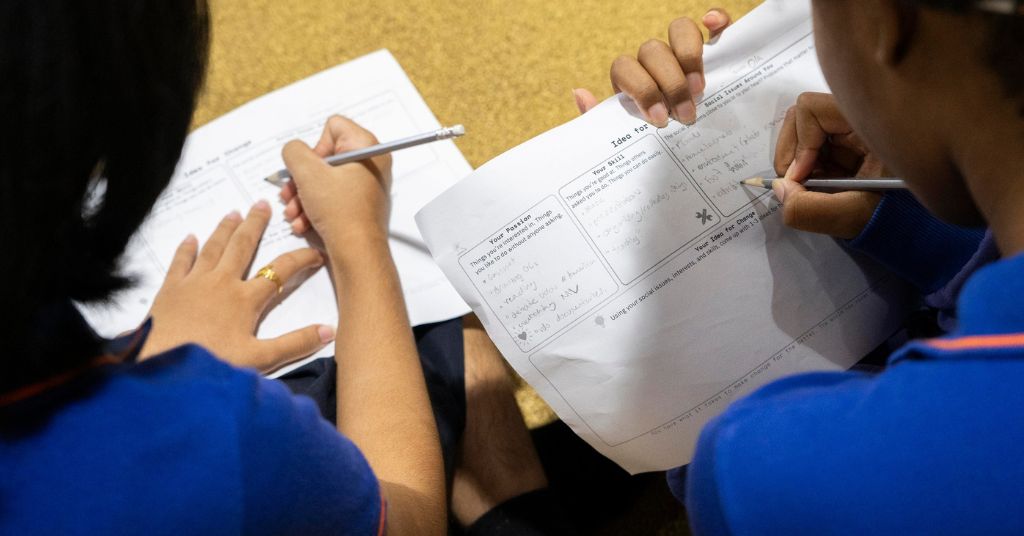
Teacher Roles in Inquiry Implementation
Effective inquiry requires teachers to shift roles—from knowledge dispensers to learning facilitators. This transition involves:
- Asking probing questions rather than giving final answers
- Encouraging student reflection and dialogue
- Designing tasks that scaffold student investigation
However, traditional classroom norms and large class sizes in Thailand sometimes pose challenges to fully realising inquiry practices.
Professional Development and Support
For IBL to flourish, Thai teachers benefit from ongoing professional development focused on inquiry facilitation, curriculum design, and assessment strategies that prioritise process and understanding over rote recall.
Creating a Culture of Curiosity
Inquiry thrives in environments where student questioning is encouraged rather than suppressed. Thai educators point out that fostering this culture often means unsettling norms that equate student questioning with misbehavior or disruption.
Evidence of Impact: Research Findings
Academic Achievement
Studies in Thailand consistently show that inquiry-based instruction leads to improved learning outcomes. For example, research comparing traditional and inquiry-driven literacy instruction found significantly higher reading scores among the inquiry group.
Enhanced Skills Beyond Academics
Inquiry-based hybrid programmes have demonstrated improvements in communicative competencies for students participating in exchange programmes, showing that IBL fosters cross-cultural communication skills.
Student Satisfaction and Engagement
Studies integrating IBL with interactive approaches such as board games or flipped classrooms report gains in student satisfaction and problem-solving ability—highlighting that inquiry can make learning more enjoyable and meaningful.
Conclusion
Inquiry-Based Learning within the International Baccalaureate framework shows how students are guided to move beyond memorisation toward thoughtful, purposeful questioning. By placing curiosity at the center of learning, classrooms using inquiry-based approaches help students develop critical thinking, confidence, and self-reflection—skills that prepare them for academic success and real-world challenges. This approach has made the IB a widely recognised educational framework in Thailand, where students are encouraged to take ownership of their learning and think deeply across disciplines.At Panyaden, inquiry is not just a teaching method but a core educational value. Panyaden integrates inquiry-based learning with holistic, values-driven education, nurturing students who are both intellectually curious and socially responsible. By fostering an environment where questions are welcomed and exploration is encouraged, Panyaden exemplifies how schools in northern Thailand can combine global IB principles with local context, preparing students to thrive academically, ethically, and globally.